
Delegation vs. Abdication: A Leadership Blind Spot
STRATEGY & LEADERSHIP
2/14/2026
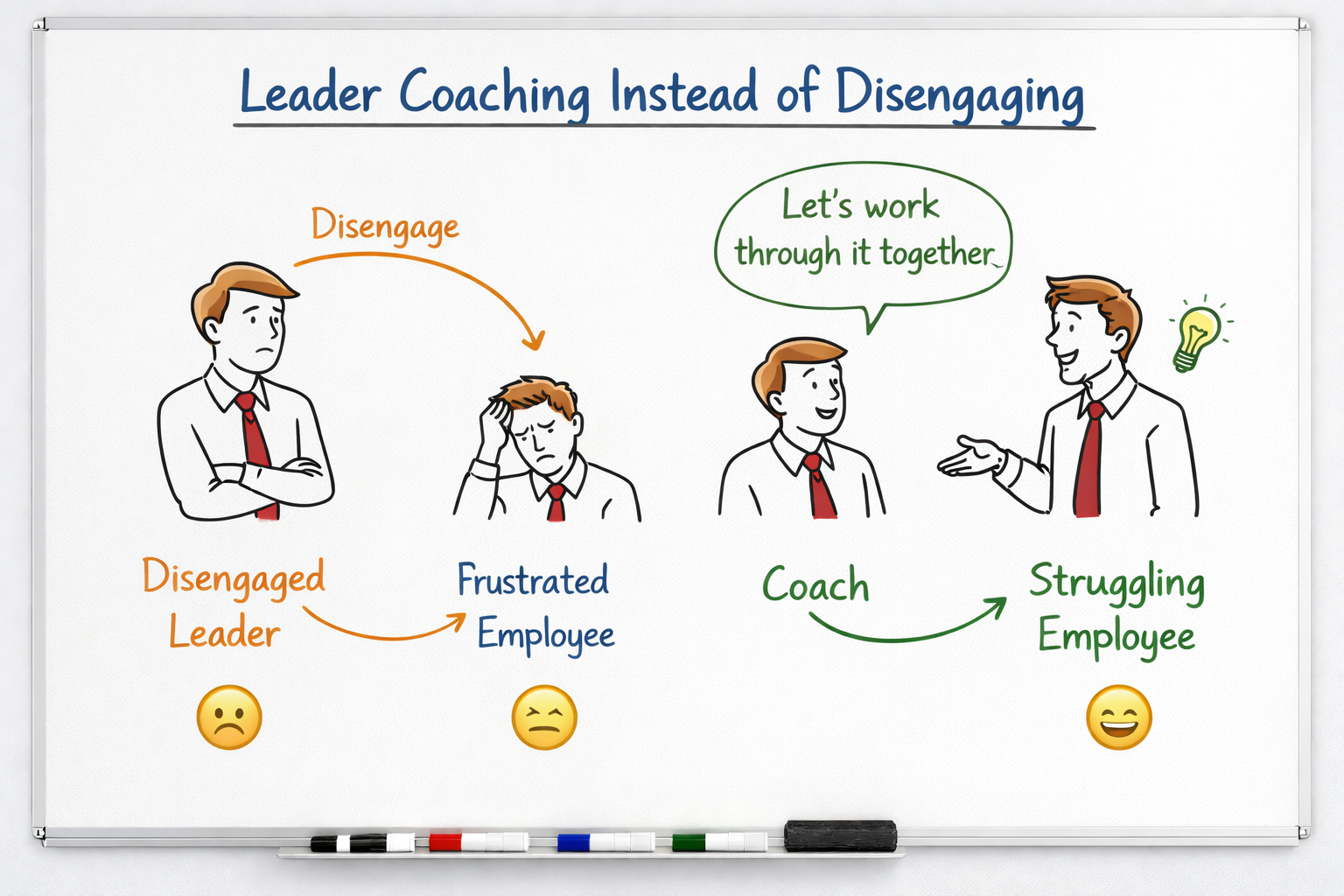
Delegation is often framed as a leadership strength—but done poorly, it turns into abdication. The difference is subtle, and many leaders cross the line without realizing it.
Delegation means transferring responsibility with clarity and support. Abdication means handing off work without direction, context, or follow-through. From the leader’s perspective, both can feel like empowerment. From the team’s perspective, they feel very different.
Abdication usually shows up when leaders are overloaded. Tasks are pushed down quickly, with minimal explanation, and leaders assume things will “sort themselves out.” When results don’t meet expectations, frustration follows—on both sides.
The core issue isn’t trust. It’s structure.
Effective delegation includes:
Clear outcomes (what success looks like)
Boundaries (what decisions the team can and cannot make)
Checkpoints (when alignment will be reviewed)
Without these, teams either over-escalate—seeking constant reassurance—or under-escalate, making assumptions that lead to misalignment. Both outcomes reduce decision quality and slow execution.
Another common trap is delegating tasks instead of ownership. Leaders retain all the thinking while assigning only the doing. This limits development and keeps leaders trapped in operational details.
Strong leaders delegate decisions at the right level. They stay involved through intent, not interference. This builds capability, confidence, and accountability across the organization.
Delegation isn’t about stepping away. It’s about designing clarity so others can step up.
When leaders master this distinction, they free their own time while strengthening the organization—without losing control or increasing risk.
Contact
Let's improve your business together.
contact@rmsc-consulting.com
© 2026 All rights reserved.