
The Hidden Cost of “Almost Done” Work in Business Operations
OPERATIONAL EXCELLENCESTRATEGY & EXECUTION
3/10/2026
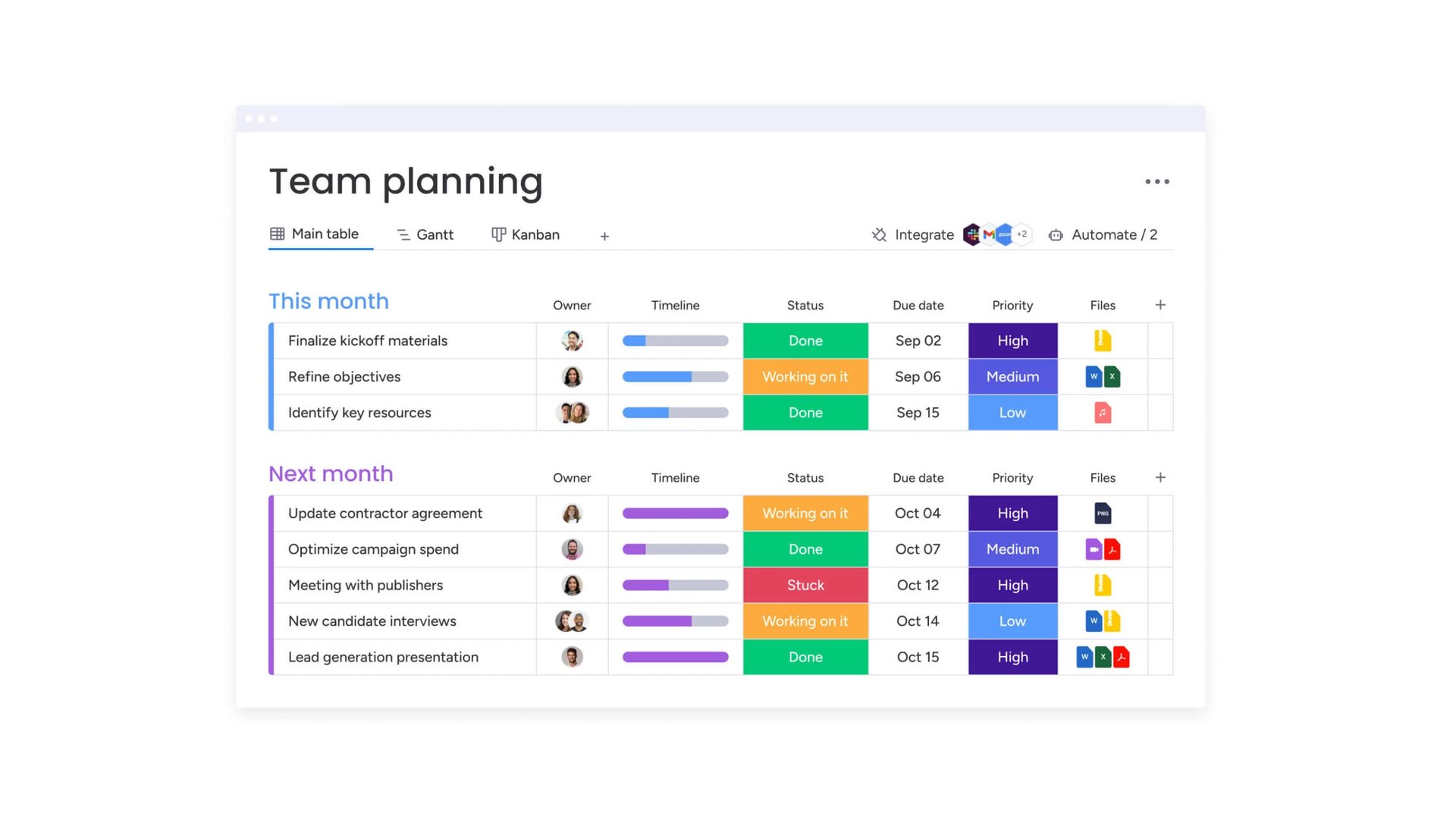
Most organizations don’t struggle with starting work.
They struggle with finishing it.
Projects begin with enthusiasm. Teams hold kickoff meetings, assign responsibilities, and push work forward. Tasks move through early stages of progress, but somewhere along the way they stall in the final stretch.
A report needs one more revision.
A system needs a final adjustment.
A process improvement is “almost implemented.”
At first glance, this doesn’t seem like a major issue. After all, most of the work is complete. But in operational environments, “almost done” can be more damaging than work that hasn’t started at all.
The Hidden Operational Drag
Unfinished work creates a subtle but powerful drag on organizational performance.
Partially completed tasks linger on dashboards and project boards. Teams must revisit them repeatedly, leaders must track their status, and decisions remain delayed until final completion occurs.
Instead of moving smoothly from start → finish → outcome, organizations become stuck in a cycle of partial progress.
Over time, this creates operational friction across departments.
Why Work Gets Stuck
In most cases, unfinished work is not caused by poor effort. It is caused by structural gaps in execution discipline.
Some of the most common causes include:
• unclear definition of completion
• too many projects running simultaneously
• missing approval checkpoints
• lack of ownership for final delivery
When these elements are not clearly defined, tasks drift into the “almost done” category indefinitely.
The Cost of Partial Completion
Unfinished work impacts organizations in several important ways.
First, it delays value creation. A process improvement does not generate results until it is fully implemented.
Second, it increases mental load for teams. Employees must remember and revisit unfinished tasks repeatedly.
Third, it reduces organizational clarity. When many initiatives remain open, leadership struggles to see what has actually been completed.
Over time, activity increases while measurable progress slows.
Building a Culture of Completion
High-performing organizations treat completion discipline as a core operational capability.
Several practices can dramatically improve results:
Define what “done” means.
Completion criteria should be specific and measurable.
Limit work in progress.
Too many active projects increase unfinished backlogs.
Assign final accountability.
Someone must own the responsibility of closing the loop.
Track completed outcomes.
Focus performance discussions on finished results rather than ongoing activity.
Execution Creates Advantage
Many companies believe their greatest competitive advantage lies in strategy.
In reality, the difference between high-performing organizations and struggling ones often comes down to a simpler capability:
Execution discipline.
Companies that consistently finish what they start move faster, generate results sooner, and build stronger operational momentum.
And in competitive markets, the ability to finish the work often matters more than the ability to start it.
Contact
Let's improve your business together.
contact@rmsc-consulting.com
© 2026 All rights reserved.