
The Leadership Skill No One Trains For: Prioritization
STRATEGY & LEADERSHIP
2/10/2026
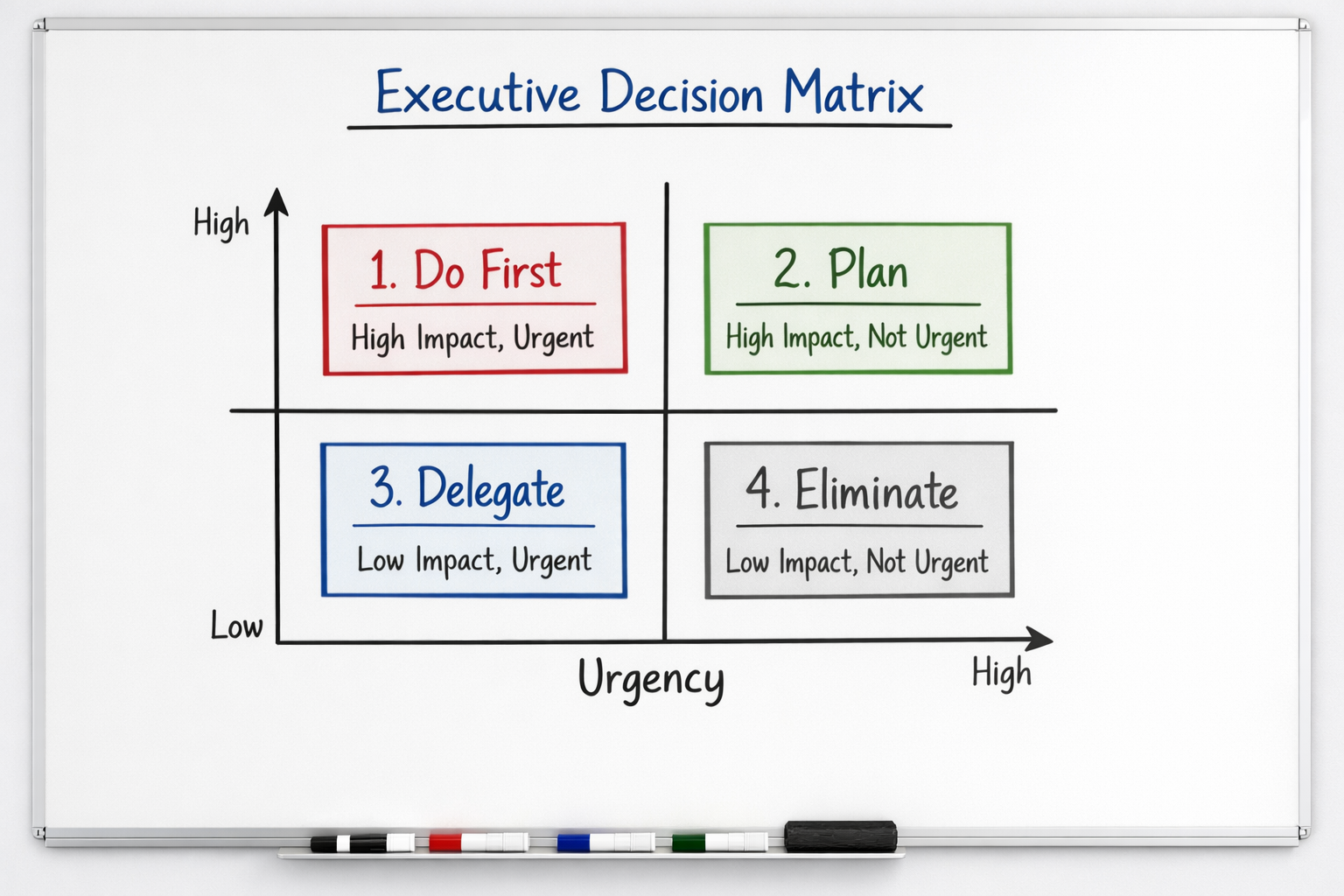
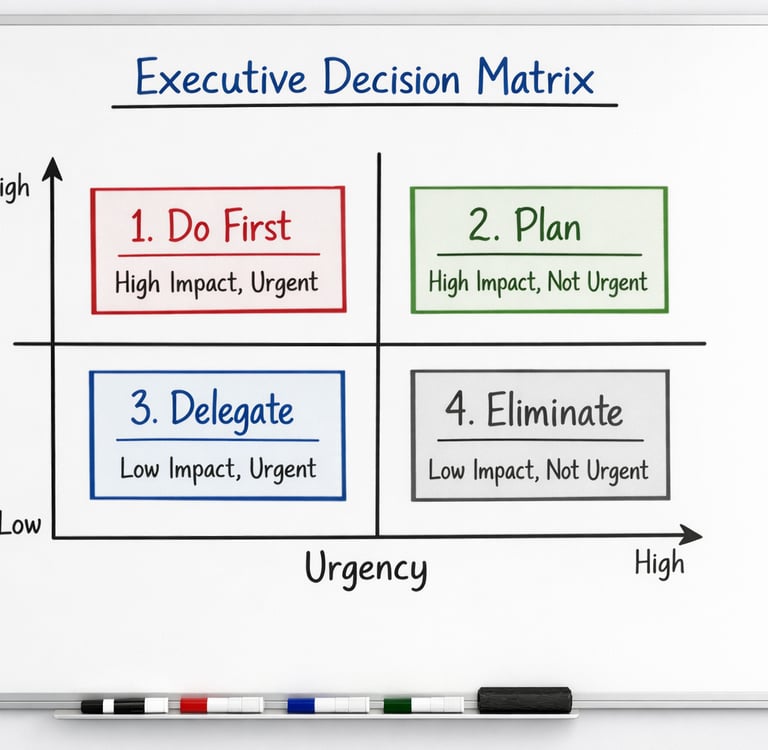
Most leaders are trained to solve problems, motivate teams, and make decisions. Very few are trained to prioritize—and that gap quietly drives missed targets, burnout, and rework.
Prioritization isn’t about choosing what to do. It’s about choosing what not to do—and being clear enough that the organization follows suit.
In many growing companies, everything feels important. Customer demands, internal initiatives, operational issues, and long-term strategy all compete for attention. When leaders don’t actively prioritize, teams fill the void themselves. The result is fragmented effort, constant task-switching, and progress that looks busy but produces little impact.
Effective prioritization starts with constraints. Time, people, and capital are limited—whether acknowledged or not. Strong leaders surface those limits explicitly and force trade-offs early. This creates focus instead of friction.
Another overlooked aspect of prioritization is sequencing. Leaders often approve too many initiatives at once, assuming parallel work means faster results. In reality, this spreads attention thin and slows execution across the board. Fewer priorities, sequenced intentionally, almost always outperform long lists of “top” initiatives.
Clear priorities also act as a decision filter. When teams understand what matters most, they can make better day-to-day decisions without constant escalation. This speeds execution and reduces dependency on leadership for every call.
Perhaps most importantly, prioritization is a signal. What leaders consistently prioritize—through attention, resources, and follow-up—tells the organization what truly matters, regardless of what’s written in a plan or stated in a meeting.
Leaders don’t need more frameworks. They need the discipline to make priorities explicit, limited, and stable long enough for teams to execute. When prioritization is done well, alignment improves, stress decreases, and outcomes become far more predictable.
Contact
Let's improve your business together.
contact@rmsc-consulting.com
© 2026 All rights reserved.