The Process You Think You Have vs. The Process You Actually Run
PROCESS IMPROVEMENT
2/17/2026
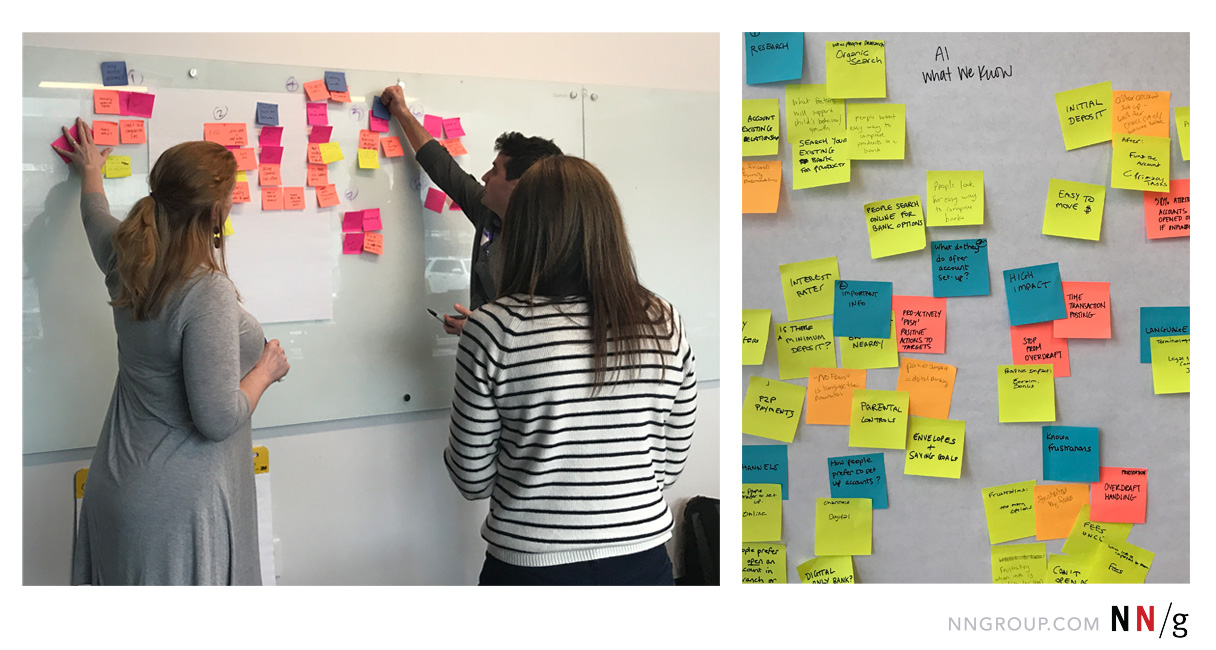
Most organizations believe they have defined processes. They have SOPs. Flowcharts. Policy manuals. Shared drives full of documentation.
But when you walk the floor, sit in on calls, or observe execution in real time, a different reality appears.
The actual process — the one customers experience — often looks very different from the documented version.
Workarounds exist. Steps are skipped. Approvals are added informally. Tribal knowledge replaces written guidance. And over time, the gap between “designed process” and “lived process” widens.
This gap is expensive.
It creates inconsistency in quality. It increases training time. It produces unpredictable lead times. It introduces hidden risk. And perhaps most damaging, it makes performance hard to diagnose because no one is sure what version of the process is truly being followed.
Leaders sometimes assume that updating documentation solves this. It rarely does.
The real issue is not documentation — it’s alignment.
Strong operational leaders do three things differently:
They observe work where it happens, not just where it’s described.
They map the real workflow before redesigning it.
They simplify before they standardize.
Often, the reason processes drift is because the original design didn’t reflect operational constraints — capacity, system limitations, decision bottlenecks, or customer variability. Teams adapted to survive. Those adaptations became the new normal.
Closing the gap requires honesty. It requires asking, “What is actually happening?” without blame.
When leadership embraces process reality instead of process theory, improvement becomes practical instead of aspirational.
Execution stabilizes. Variation decreases. Teams operate with less friction. And customers experience consistency.
You can’t improve what you haven’t accurately seen.
Contact
Let's improve your business together.
contact@rmsc-consulting.com
© 2026 All rights reserved.