
When Data Helps — and When It Slows Business Decisions Meta Description:
DATA & INSIGHTS
3/19/2026
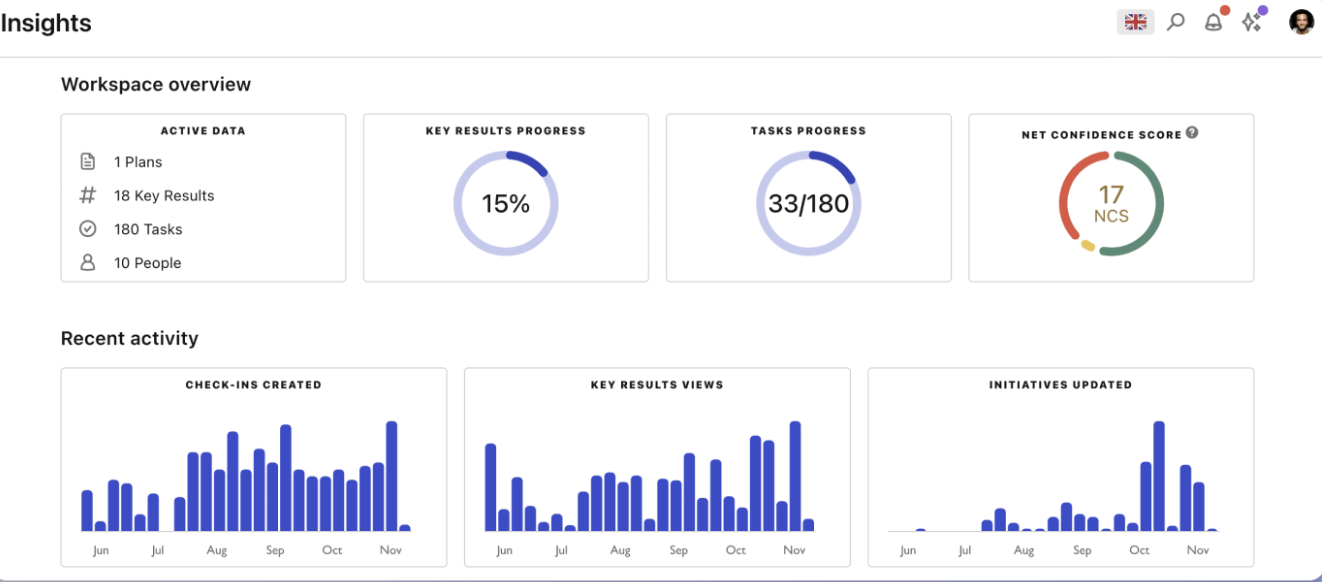
Data has become one of the most powerful tools in modern business.
Organizations collect performance metrics, customer insights, operational dashboards, and financial analytics in unprecedented volumes. Leaders increasingly rely on data to guide strategic decisions and improve operational performance.
And in most cases, this shift is a major advantage.
But there is a point where more data stops helping and starts slowing organizations down.
The Rise of Data-Driven Organizations
Over the past decade, businesses have invested heavily in analytics tools.
Platforms such as BI dashboards, operational reporting systems, and performance monitoring software provide leaders with deeper visibility into their organizations.
This visibility enables companies to identify inefficiencies, measure outcomes, and improve decision quality.
However, access to data does not automatically translate into better decisions.
The Analysis Trap
Some organizations fall into what can be called the analysis trap.
Instead of using data to inform action, teams continuously gather more information in hopes of reaching absolute certainty.
Additional reports are requested.
New metrics are analyzed.
Meetings are scheduled to review updated numbers.
Meanwhile, the original decision remains unresolved.
When analysis becomes excessive, organizations experience decision paralysis.
Data Should Support Decisions
High-performing organizations treat data as a tool for clarity, not an excuse for delay.
Effective leaders ask a simple question:
“Do we have enough information to make a reasonable decision?”
If the answer is yes, action should follow.
In most cases, waiting for perfect data provides little additional value.
Practical Ways to Use Data Effectively
Organizations can maintain strong decision momentum while still benefiting from data insights.
Some helpful practices include:
Identify the critical metrics
Focus on a small number of indicators that truly influence outcomes.
Set analysis boundaries
Define how much data is required before a decision must be made.
Prioritize speed when impact is limited
Not every decision requires deep analysis.
Review outcomes regularly
Use performance data to refine decisions rather than delay them.
These practices ensure data improves clarity without slowing execution.
Balancing Insight and Action
Data is one of the most valuable resources available to modern organizations.
But its value comes from enabling better decisions, not from producing endless analysis.
The organizations that benefit most from analytics are those that combine strong insights with confident execution.
Because data should illuminate the path forward—not keep organizations standing still.
Contact
Let's improve your business together.
contact@rmsc-consulting.com
© 2026 All rights reserved.