
Why KPI Scorecards Fail Without Leadership Accountability
STRATEGY & LEADERSHIP
2/24/2026
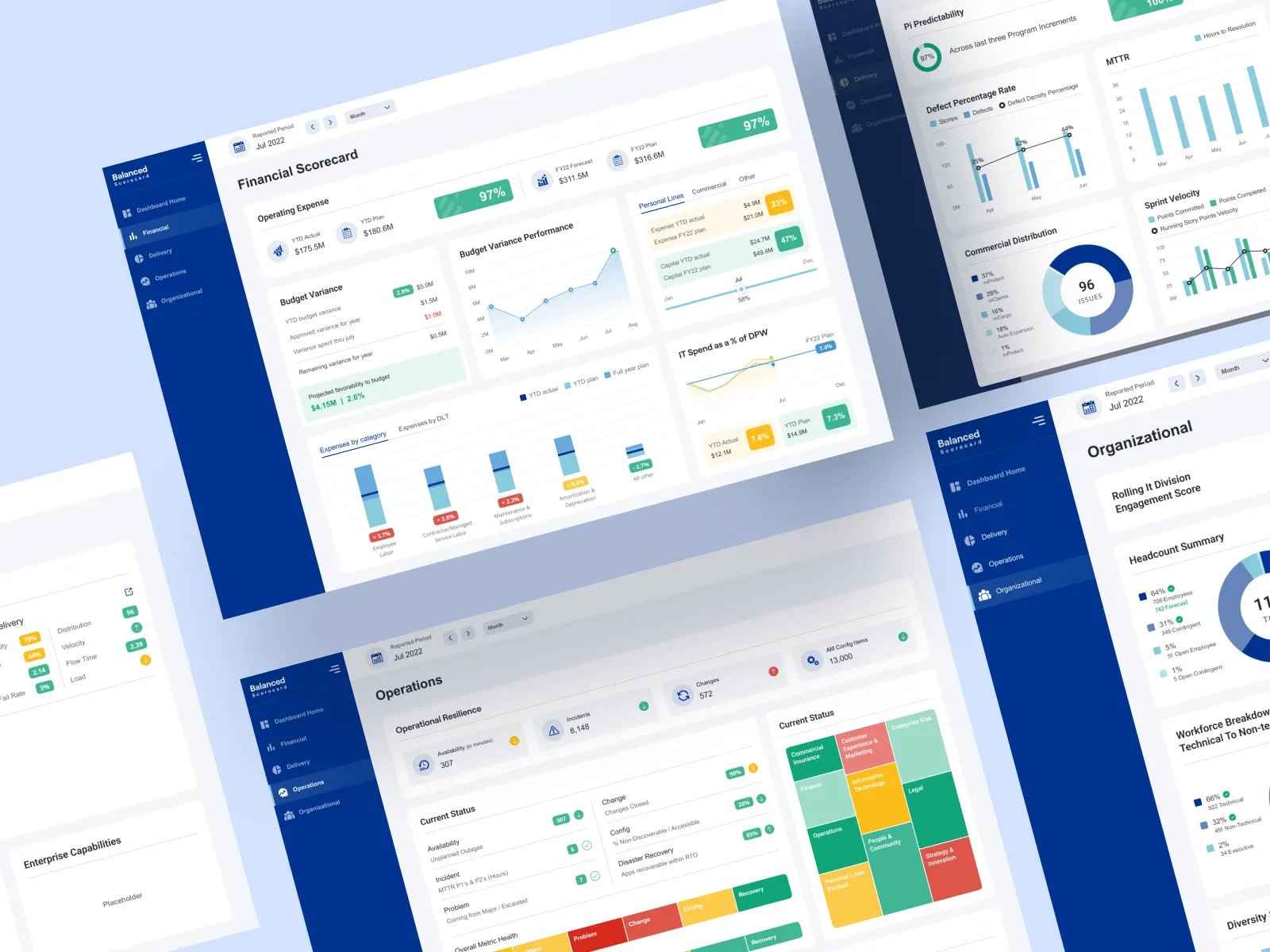
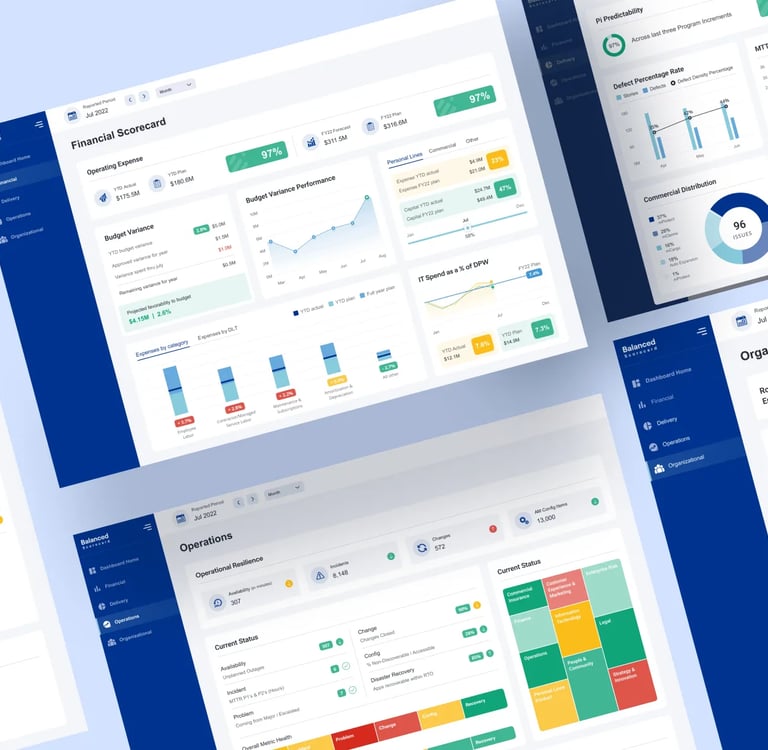
Many leadership teams proudly display dashboards filled with metrics — margin, utilization, rework, cycle time, revenue per employee.
And yet… nothing changes.
The problem isn’t the scorecard.
The problem is what happens — or doesn’t happen — after it’s reviewed.
Metrics are neutral.
Leadership behavior is not.
A KPI without a structured follow-up conversation is simply a reporting exercise. In high-performing organizations, dashboards trigger disciplined dialogue:
What changed?
Why did it change?
What decision will we make because of it?
Who owns the adjustment?
In underperforming environments, dashboards create passive observation:
“Interesting.”
“Let’s keep an eye on that.”
“We’ll revisit next month.”
That delay is where performance erodes.
Strong leaders understand something critical:
Data creates awareness. Conversations create accountability.
The cadence matters more than the graphic design.
Weekly operational reviews should:
Focus on 3–5 priority metrics
Assign clear ownership
Identify root causes, not symptoms
Document agreed actions
Follow up the next week
Accountability dies in vagueness.
It thrives in specificity.
One of the most common patterns I see when working with leadership teams is “metric overload.” Twenty indicators. No decisions. Endless reporting.
High-performing companies simplify.
If a metric doesn’t influence a decision, it doesn’t belong on the dashboard.
Strategy becomes execution only when leaders are willing to ask hard questions consistently — not occasionally.
Scorecards don’t improve performance.
Leaders do.
Contact
Let's improve your business together.
contact@rmsc-consulting.com
© 2026 All rights reserved.